Of Bees and Flowers
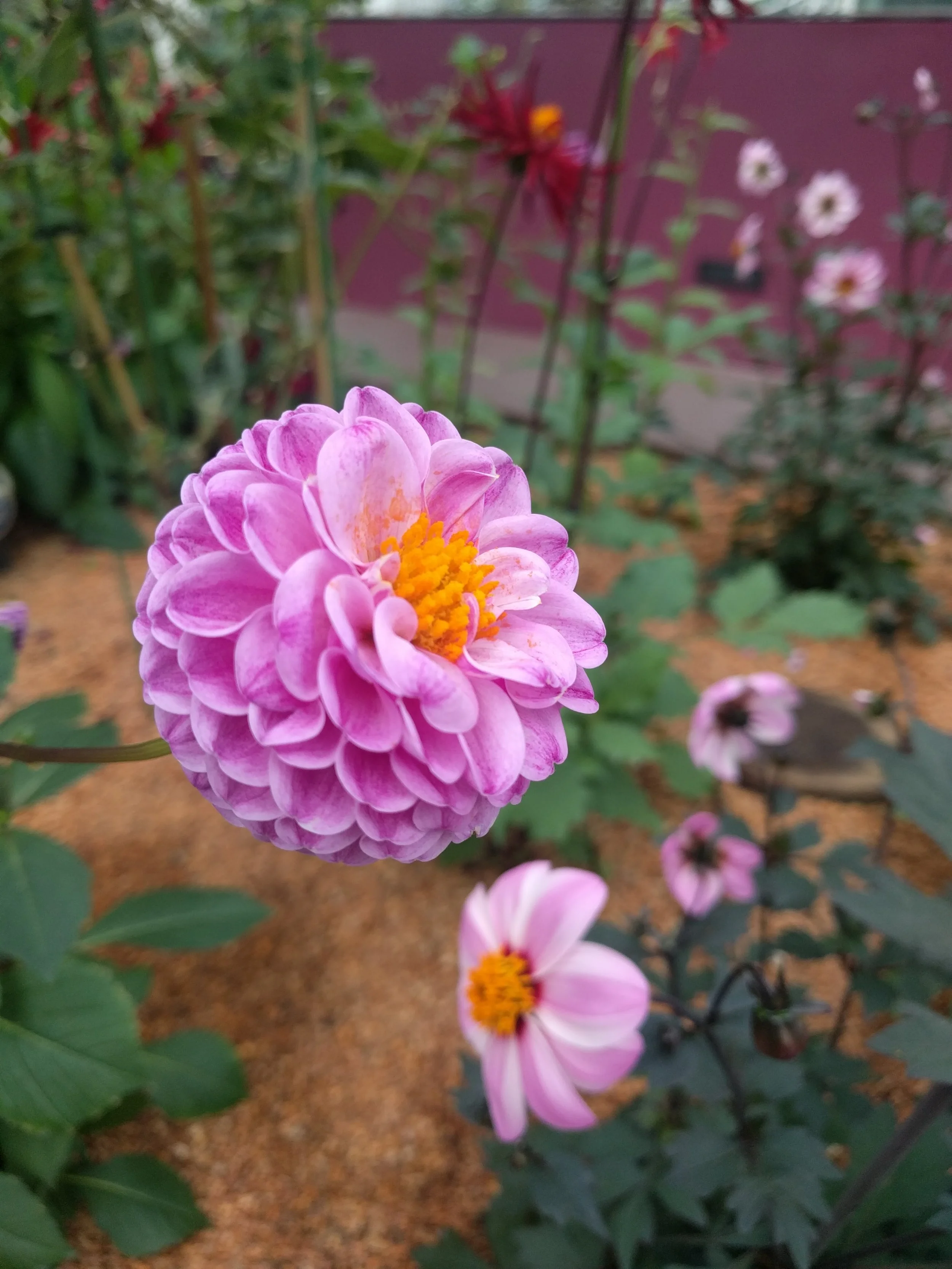
A plant in full bloom is ready to be pollinated. Radiant in color with petals wide open, it awaits a bee to enter and pollinate. The bee is looking for nectar but first notices the vibrant colors of the flower. Instinctively, it approaches, in hopes of finding what it is looking for. If it meets an open flower, it enters and goes deeper and deeper into its folds to find nectar. What a symbiotic relationship: The bee must find a flower to satisfy its desire for nectar while the flower must stay planted and be beautiful to satisfy its desire to be pollinated. The flower advertises it's nectar with its color, scent, shape and patterns.
Does that sound familiar? You know, that dance that happens between a man and a woman that we give all sorts of names like dating, courtship, talking etc. Whatever you call it, it's intriguing that the Bible suggests that in pursuit of marriage, men are to "find" a wife.
“He who finds a [true] wife finds a good thing and obtains favor from the Lord.”
Men are the bees. That implies that women are the flowers, needing to stay planted and tastefully signal that they are indeed wives to be found. However, from observing flowers and bees, I've noticed that it's not that simple. Under the hood, flowers don't just stay planted. They signal, attract, reward, restrict and sometimes even engineer the encounter. And bees don't just fly around from flower to flower. What can appear to be indecisiveness in bees can actually be discernment. As we proceed, feel free to substitute the word “bee” for man and the word “flower” for woman. These are broad statements because this is a working theory so read it as that. Now put on your most impressive David Attenborough voice and let’s get into this! (I promise it will help 😊)
Bees
Bees are attracted to the color, scent and patterns of flowers. A bee learns over time, which flowers produce nectar and what time of the day they have the most nectar so it can be more efficient in nectar hunting.
Now, all nectar isn't created equal. Nectar may not have the right viscosity and sugar concentration to make it efficient for sucking out and converting to honey later. If a bee tastes the nectar and finds it unsatisfactory, it will not collect it and will move on to another flower. Because nectar is usually at the base of the flower, to find nectar, a bee must be willing to go deep! As it does so, pollen rubs off on the bee. So, a bee will count the cost first. It is picky enough to know when it is not worth the effort.
In much the same way, a man is usually attracted to the physical beauty of a woman first. Based on what he sees, he approaches in hopes of finding her open and receptive. He needs to find her to be of substance, sweet and a balance of fun and maturity. As he interacts with her and goes to the core of who she is, if mutual interest, character and compatibility emerge, pursuit can deepen towards commitment.
Flowers and Women
A flower ultimately wants to be pollinated. It also seems to know that bees ultimately want nectar and uses that knowledge as a reward system. Flowers don't smell nice for no reason. No. They release scents to attract bees and signal nectar availability and do it at times of day they know the bees are most active. Their bright colors and patterns are also advertising the availability of nectar. But flowers aren't open to just any bee. Some will engineer access constraints to guarantee the outcome is not just a visit but pollination.
In similar fashion, women use signaling to indicate availability and filter prospects. In this analogy, the desire for pollination can mean many things to many people. For the sake of simplicity, we'll define pollination as the desire to be pursued and committed to; that is, a covenant relationship. Like flowers, women use perfumes to augment their fragrance because they like it but also because men like it. A woman knows that her physical appearance attracts men and can signal her availability to approach. She is also able to use invisible signals to filter access. More on that later.
A Caveat - Deception in Signaling
Some flowers use deceptive tricks to get what they want. They don't offer much nectar or none at all (but still want to be pollinated) so they mimic the scent or color of nectar-rich plants to fool the bee into coming. The bee may be fooled into visiting before it realizes there's little reward there.
Why deception works:
Bees don’t always remember a single bad experience.
If a flower “looks” like a trustworthy species, at least some insects will fall for it.
Over time, the plant saves energy by not producing nectar, while still getting pollinated.
So flowers can give nectar honestly, and the bee gets something in return for helping pollinate. Deceptive flowers signal that they have nectar but actually withhold it, yet still benefit when the bee visits. We can apply this broadly to human relationships: Some people may genuinely “offer nectar”; that is, bring honesty, generosity, and mutual benefit into the relationship. Others may “signal nectar"; that is, give the appearance of offering affection, stability, or commitment but not actually follow through. Yet they may still receive attention, effort, or resources in return. Both systems involve signals, trust, and exchange: bees rely on cues (color, scent, shape), humans rely on cues (words, actions, appearance). In both cases, the receiver must discern: Is this signal genuine or deceptive? Of course, unlike bees, humans can reflect, learn, and choose better after a bad experience. But the analogy highlights something universal: signals don’t always match reality, so wisdom and discernment are crucial.
When Hesitation is Discernment
Have you seen a bee hovering over a flower, going, coming and then eventually landing? Bees can often look like they’re indecisive when visiting flowers. There are solid reasons behind that “fly-around, come-and-go” behavior:
Orientation & inspection: Bees don’t just land blindly. They circle around to orient themselves, assess the flower’s shape, color, and accessibility, and confirm it has nectar or pollen worth collecting.
Scent and nectar checking: As we’ve said before, flowers don’t all have the same nectar levels, and some might be recently drained by other pollinators. Bees hover and return multiple times to check if the nectar has been replenished or if the flower still smells “rewarding.”
Positioning for landing: Especially with tricky flower structures, a bee may approach several times before finding the best spot to land that gives it access.
Competition and awareness: If other insects are around, bees may hesitate, fly off, then return when the coast is clear.
So what looks like indecision can actually be evaluation, orientation, and strategy; that is, a bee making a mini cost-benefit analysis before committing.
Okay a bee, I mean a man, gets to take his time and be picky and strategize but a flower, uh, I mean woman just sits there and gets whatever comes her way? Naaaaaah, before you throw a shoe at me, did you know that flowers actually shape bee behavior? You didn't? Okay, keep reading.
How Flowers Shape Bee Behavior
Flowers have developed some brilliant engineering tactics to make sure their pollen gets carried away by bees. They are not just passive participants but actually influence what the bee does, developing ways to weed out time wasters and optimize for the kind of bee they are looking for.
Three models of influence:
1. Optimized Access
Some flowers have landing platforms and elaborate structures that position bees so they have to brush against the anthers (pollen-producing parts). For these flowers, how the bee engages them is baked into their structure. The bee doesn't have a choice. If it is unwilling or unable, it will leave empty handed. For example, the honey suckle's tubular structure make bees crawl deep inside for nectar, ensuring they bump into both anthers and stigmas. A snapdragon flower’s “mouth” only opens when a heavy bee (like a bumblebee) lands on it. To get nectar, the bee pushes inside, brushing its back against the anthers and stigma. Smaller insects can’t cheat — it’s optimized for the right pollinator.
A woman may structure her life so that only a certain kind of man has access to her.
2. Boundaries and pace
For these flowers, the reward is not at the surface. They guard the reward and enforce depth and pace upfront. Nectar is positioned deep inside so bees must push past the pollen. Bees must actually go deep first! Some flowers even refill nectar slowly, encouraging bees to visit multiple times instead of draining in just one visit.
A woman may put in place emotional and physical boundaries to ensure that commitment comes before intimacy.
3. Color and scent patterns
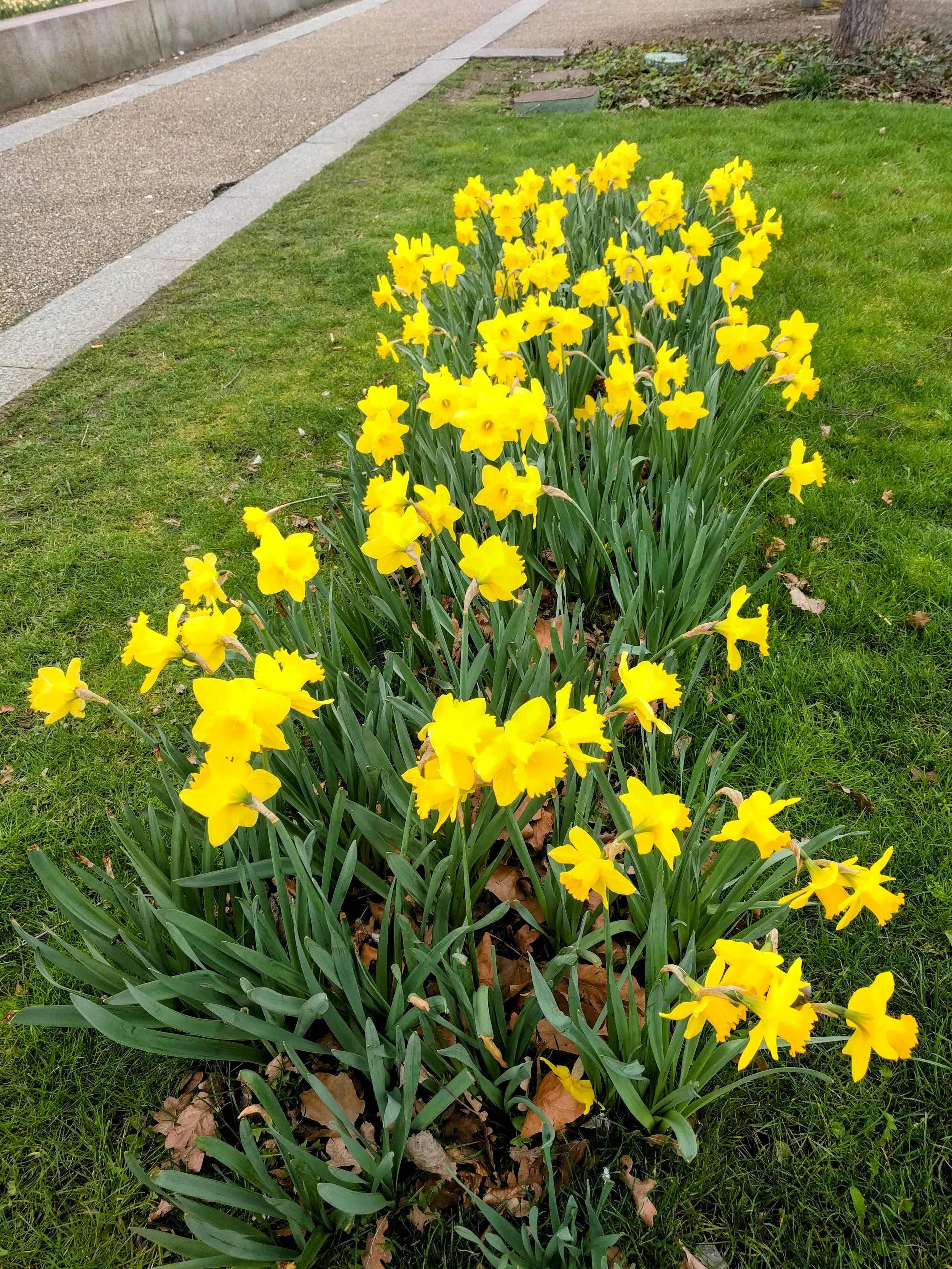
These flowers use visible and invisible signals to attract bees at the right time.
Invisible signals: Flowers often have UV patterns that serve as nectar guides. For instance, the Black-eyed Susan has bright yellow petals but it’s UV nectar guides point to the center, invisible to us but like a neon sign for bees.
Visible signals: Flowers also use color contrasts and scents that may “switch on” when pollen is ready, pulling bees in at just the right time. The evening primrose opens at dusk with a sudden burst of sweet fragrance that attracts insects when the pollen is fresh.
“I have come into my garden, my sister, my [promised] bride; I have gathered my myrrh with my balsam and spice [from your sweet words I have gathered the richest perfumes and spices]. I have eaten my honeycomb with my honey; I have drunk my wine with my milk. Eat, O friends [feast on, O revelers of the palace; you can never make my lover disloyal to me]! Drink, yes, drink abundantly of love, O precious one [for now I know you are mine, irrevocably mine! With his confident words still thrilling her heart, through the lattice she saw her shepherd turn away and disappear into the night].”
picture taken at Gardens by the Bay, Singapore
I think we all want what Solomon describes here; the sweetness, beauty and fragrance of a covenant relationship where we are known and loved. And while men and women both play different roles in getting there, coming together is for our mutual benefit. So what if we could learn from inhabitants of gardens, bees and flowers, on how to experience our own gardens? What if we engaged each other using this framework: men pursue women, using attraction as an initial gauge and discernment to determine if they should engage. Women stay planted and influence access to them, use signals to indicate availability and structure rules of engagement, using attraction as an initial gauge or interest and discernment to know when access should be granted. What if we were more like bees and flowers?